
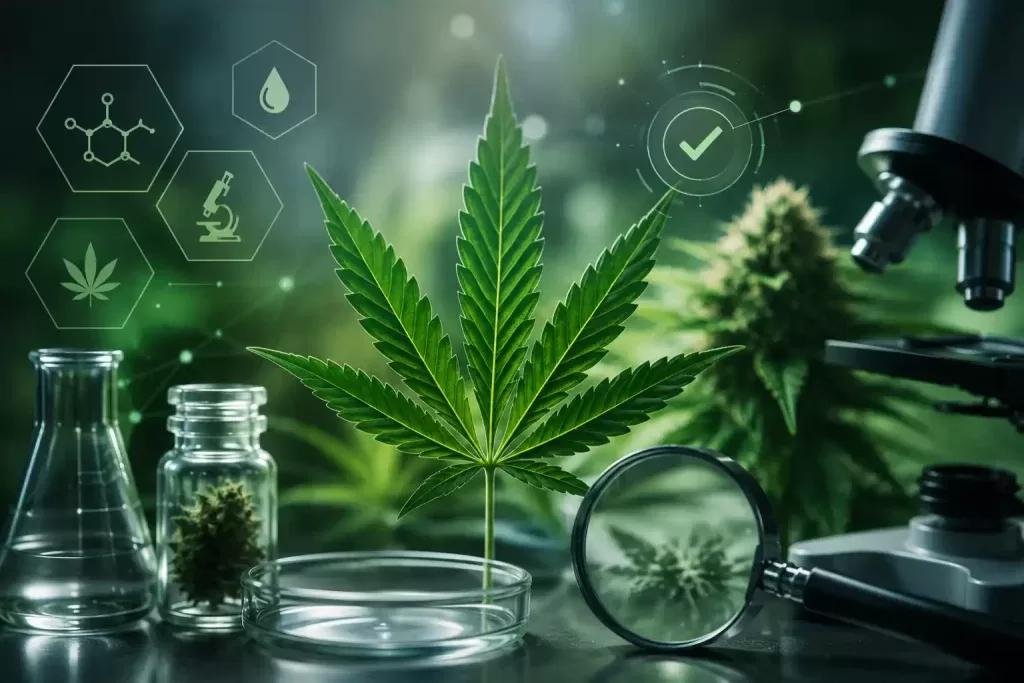
Cannabis consumers today have more choices than ever before. Whether you’re purchasing flower, concentrates, edibles, or tinctures, understanding what’s inside the product has become increasingly important. This is where cannabis testing plays a vital role.
As the legal cannabis industry grows throughout Santa Rosa, CA and across the United States, consumers are demanding safer products, accurate labeling, and greater confidence in what they buy. At the same time, regulators and producers are investing in new technologies that make testing more reliable and accessible.
The future of cannabis testing is not simply about meeting legal requirements. It is about building trust, improving safety, and helping consumers make informed decisions. As product transparency becomes a central expectation in the cannabis market, testing standards will continue to evolve to provide deeper insights into product quality and consistency.
Key Takeaways
- Cannabis testing helps verify potency, safety, purity, and quality before products reach consumers.
- Product transparency is becoming a major factor influencing consumer trust and purchasing decisions.
- New technologies, digital reporting tools, and improved laboratory standards are shaping the future of cannabis testing.
Why Is Cannabis Testing Important for Consumers?
Cannabis testing is a scientific process used to analyze cannabis products before they reach dispensary shelves. Accredited laboratories examine products for potency, contaminants, and other quality indicators.
Testing helps answer critical questions such as:
- How much THC does the product contain?
- What is the CBD content?
- Are pesticides present?
- Is there mold or microbial contamination?
- Does the product contain heavy metals?
- Are residual solvents within safe limits?
Without proper testing, consumers would have little way of knowing whether product labels accurately reflect what is inside the package.
Reliable cannabis testing supports:
- Consumer safety
- Accurate dosing
- Product consistency
- Regulatory compliance
- Industry credibility
As legalization expands, testing is becoming one of the most important quality assurance tools available.
What Does a Modern Cannabis Test Measure?
Today’s laboratories evaluate several important categories.
| Testing Category | Purpose |
| Cannabinoid Analysis | Measures THC, CBD, CBG, CBN, and other cannabinoids |
| Terpene Analysis | Identifies aroma and flavor compounds |
| Pesticide Screening | Detects harmful agricultural chemicals |
| Heavy Metal Testing | Screens for lead, mercury, arsenic, and cadmium |
| Microbial Testing | Checks for mold, yeast, bacteria, and pathogens |
| Residual Solvent Testing | Ensures extraction solvents are removed properly |
| Water Activity Testing | Evaluates product stability and shelf life |
These tests provide valuable information that supports product transparency and helps consumers understand exactly what they are purchasing.
How Is Product Transparency Changing Consumer Expectations?
Modern consumers expect detailed information before buying almost any product. Cannabis is no exception.
Many customers now review lab reports, potency levels, ingredient lists, and cultivation practices before making purchasing decisions.
Several factors are driving the demand for product transparency:
- Increased cannabis education
- Greater access to product information online
- Growing health and wellness awareness
- Expanded product variety
- Higher consumer spending
People want to know:
- Where the cannabis was grown
- How it was cultivated
- What ingredients were used
- Whether contaminants were detected
- How potency was measured
As a result, product transparency is becoming a competitive advantage for cannabis brands that prioritize openness and quality.
How Will Cannabis Testing Evolve in the Future?
The next generation of cannabis testing will likely go far beyond basic compliance requirements.
Several emerging trends are already reshaping the industry.
Advanced cannabinoid profiling
Most consumers recognize THC and CBD. However, researchers continue discovering additional cannabinoids that may contribute to unique effects.
Future testing may routinely analyze:
- CBG
- CBC
- THCV
- CBDV
- Delta-8 THC
- Minor cannabinoid compounds
This expanded data could help consumers select products based on more specific experiences and preferences.
Improved terpene analysis
Terpenes influence aroma, flavor, and potentially the overall cannabis experience.
Future reports may provide:
- More detailed terpene breakdowns
- Comparative terpene rankings
- Enhanced consumer education
- Predictive effect profiles
This information supports stronger product transparency and helps shoppers make more informed decisions.
Faster testing technologies
Laboratory turnaround times continue improving.
Emerging technologies may offer:
- Faster sample processing
- Automated quality checks
- Reduced human error
- Real-time monitoring capabilities
These improvements could help manufacturers identify issues earlier in the production process.
Could Blockchain Improve Product Transparency?
One of the most discussed innovations in the cannabis industry is blockchain technology.
Blockchain systems create secure digital records that are difficult to alter. In cannabis supply chains, this technology could track products from cultivation through final sale.
Potential benefits include:
- Enhanced traceability
- Verification of testing results
- Supply chain visibility
- Improved consumer confidence
Imagine scanning a QR code and instantly viewing:
- Cultivation information
- Harvest dates
- Laboratory results
- Manufacturing details
- Distribution records
Such innovations could significantly strengthen product transparency throughout the industry.
Why Are QR Codes Becoming More Common on Cannabis Products?
Many cannabis products already include QR codes that connect consumers directly to laboratory reports.
This trend is expected to grow because QR codes offer immediate access to information.
Benefits include:
- Easy verification of testing results
- Better consumer education
- Convenient access to Certificates of Analysis (COAs)
- Increased trust in brands
Instead of relying solely on package labels, consumers can review detailed testing information using a smartphone.
This simple technology helps support product transparency while making cannabis testing data more accessible.
What Challenges Still Exist in Cannabis Testing?
Although testing standards have improved significantly, several challenges remain.
Variation between laboratories
Different laboratories may occasionally produce slightly different results from the same sample.
Factors can include:
- Testing methods
- Equipment calibration
- Sample preparation
- Laboratory procedures
Industry leaders continue working toward greater standardization.
Evolving regulations
Cannabis regulations vary across states.
Different testing requirements can create:
- Compliance complexity
- Increased costs
- Labeling inconsistencies
As markets mature, more uniform standards may emerge.
Consumer understanding
Laboratory reports often contain technical information that can be difficult for beginners to interpret.
Future improvements may include:
- Simplified reporting formats
- Consumer-friendly dashboards
- Educational resources
- Visual data summaries
These developments would make product transparency more meaningful and useful.
How Can Consumers Read a Cannabis Lab Report?
Understanding a Certificate of Analysis can help consumers make better decisions.
Look for the following sections:
Cannabinoid content
This section lists:
- Total THC
- Total CBD
- Minor cannabinoids
- Potency percentages
Contaminant screening
Review results for:
- Pesticides
- Heavy metals
- Microbial contaminants
- Residual solvents
Pass or fail status
Most reports clearly indicate whether the sample passed regulatory requirements.
Laboratory information
Check for:
- Accredited laboratory details
- Test dates
- Batch numbers
- Sample identification
These elements help verify authenticity and support product transparency.
What Role Does Product Transparency Play in Consumer Trust?
Trust is one of the most valuable assets in any industry.
Consumers are increasingly choosing brands that provide:
- Detailed testing reports
- Honest labeling
- Ingredient disclosure
- Cultivation information
- Manufacturing transparency
Research consistently shows that transparency influences purchasing decisions across many consumer markets.
In cannabis, trust becomes even more important because consumers are using products they ingest, inhale, or apply to their bodies.
When brands embrace product transparency, they create stronger relationships with customers and encourage long-term loyalty.
How Does Cannabis Testing Support Public Health?
Beyond consumer confidence, cannabis testing provides important public health benefits.
Testing helps reduce exposure to:
- Harmful pesticides
- Toxic metals
- Dangerous microbes
- Residual chemicals
It also helps ensure accurate potency labeling, which can reduce the risk of unintended overconsumption.
For new consumers especially, accurate information is essential for making informed choices.
As testing standards continue advancing, public health protections are expected to improve as well.
What Should Consumers Expect Over the Next Five Years?
The future of cannabis testing will likely involve more data, greater accessibility, and stronger accountability.
Consumers may soon see:
- Expanded cannabinoid analysis
- Enhanced terpene reporting
- Real-time product verification
- Digital Certificates of Analysis
- Blockchain-supported supply chains
- More standardized laboratory methods
- Improved labeling practices
These developments will continue pushing the industry toward higher levels of product transparency and consumer confidence.
Conclusion
The cannabis industry is entering a new era where safety, accountability, and consumer education are becoming top priorities. As laboratory science advances, cannabis testing will provide deeper insights into potency, purity, and product quality than ever before. At the same time, growing expectations around product transparency will encourage brands to share more information about cultivation, manufacturing, and testing processes.
For consumers in Santa Rosa, CA, understanding testing results and seeking transparent products can help support smarter purchasing decisions and a better overall cannabis experience. As the industry continues to evolve, businesses that embrace quality standards and openness will be best positioned to earn consumer trust. Resources from thesweetspot420 can help consumers stay informed about the latest developments shaping the future of cannabis products.
FAQ: Cannabis Testing and Product Transparency
1. What is cannabis testing?
Cannabis testing is the laboratory analysis of cannabis products to measure potency and detect contaminants such as pesticides, mold, heavy metals, and residual solvents.
2. Why is cannabis testing important?
Cannabis testing helps verify safety, accuracy, consistency, and compliance while giving consumers confidence in the products they purchase.
3. What does product transparency mean in cannabis?
Product transparency refers to openly sharing information about cultivation, ingredients, manufacturing processes, and laboratory testing results.
4. How can I verify cannabis lab results?
Many products include QR codes that link directly to Certificates of Analysis issued by accredited testing laboratories.
5. Will cannabis testing become more advanced in the future?
Yes. Emerging technologies are expected to improve testing speed, accuracy, cannabinoid profiling, traceability, and overall product transparency.